Fire fighting and suppression systems
Automatic sprinklers, hose systems, fire pumps and clean-agent suppression for approved applications.
Discuss your needs on WhatsApp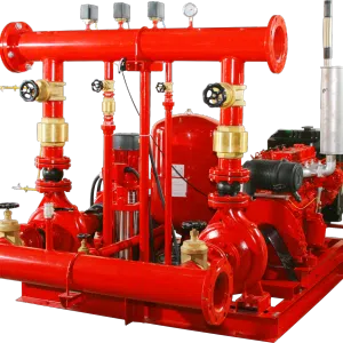
What is it used for?
These systems deliver water or a selected extinguishing agent to control a fire, support responders and protect high-value or sensitive spaces.
- Commercial and industrial buildings
- Server rooms, plant rooms and showrooms where a suitable clean agent is specified
What does it offer?
- Automatic or readily accessible firefighting response
- Coordinated protection for the building hazard and water supply
Types and key differences
- Wet-pipe sprinklers
- Water is already in the pipes. A heat-operated sprinkler discharges locally when activated.
- Dry-pipe sprinklers
- Air or nitrogen holds water behind a valve until operation. Used where freezing is a design concern, including cold storage.
- Preaction
- Detection and the selected interlock arrangement control water admission; discharge still depends on the sprinkler arrangement.
- Deluge
- Opening the deluge valve supplies all connected open nozzles or sprinklers for a specified hazard.
- Clean-agent suppression
- For suitable sensitive enclosures; FM-200 is one option. Agent choice needs enclosure and occupancy assessment.
- CO₂ and aerosol
- Different technologies with different personnel and equipment limitations. Neither should be treated as a generic clean-agent substitute.
What needs checking before selection?
- An undersized supply, closed valve, impaired pump or unsuitable agent can prevent effective control
Components and scope
- Automatic sprinklers and hose systems
- Electric, diesel and jockey pump sets
- FM-200 clean-agent suppression
- CO₂ and condensed aerosol systems for suitable, reviewed hazards
From survey to handover
- Survey the building and identify the hazard.
- Select compatible equipment and prepare the project design for the required review.
- Install, test and document the work; hand over operating information and a maintenance plan.
In Saudi Arabia, the design is reviewed against applicable Saudi Building Code requirements, including SBC 801, and the competent authority’s requirements. Capacity, quantities, coverage and testing follow the project design and manufacturer instructions. Safety licensing remains subject to the authority’s process through Salamah.
Technical and regulatory references
Technology references, not evidence of a model’s approval or a commercial partnership. Content reviewed: 20 September 2026.
Is it right for your building?
Share your building use, location or photos of the existing system so we can discuss the next step.
Discuss your needs on WhatsApp